

Optimizing warehouse layout and design is crucial for enhancing productivity, reducing costs, and ensuring smooth operations. A well-organized warehouse not only maximizes space utilization but also streamlines workflow, leading to faster order fulfillment and improved efficiency. This article explores strategies and principles to optimize warehouse layout for maximum productivity.
Principles of Efficient Warehouse Layout
Designing an efficient warehouse layout is essential for maximizing productivity and ensuring smooth operations. The Government of Canada’s resources on warehouse management emphasize several key principles:
- Flow: Design the layout to minimize travel time and avoid congestion by creating clear, logical paths for movement.
- Accessibility: Ensure all items are easily accessible to reduce picking time.
- Scalability: Plan for future growth by incorporating flexible storage solutions.
- Safety: Prioritize safety by incorporating ergonomic practices and adhering to safety regulations.
Assessing Current Warehouse Layout
Before implementing any changes, it’s crucial to assess the current warehouse layout. This involves analyzing the flow of materials, identifying bottlenecks, and observing how efficiently workers can access and move goods. By closely examining the existing setup, you can pinpoint areas where improvements are needed. Consulting with warehouse staff can also provide valuable insights into practical challenges and inefficiencies they face daily. This assessment forms the foundation for developing a more optimized and productive warehouse design.
Designing an Optimal Layout
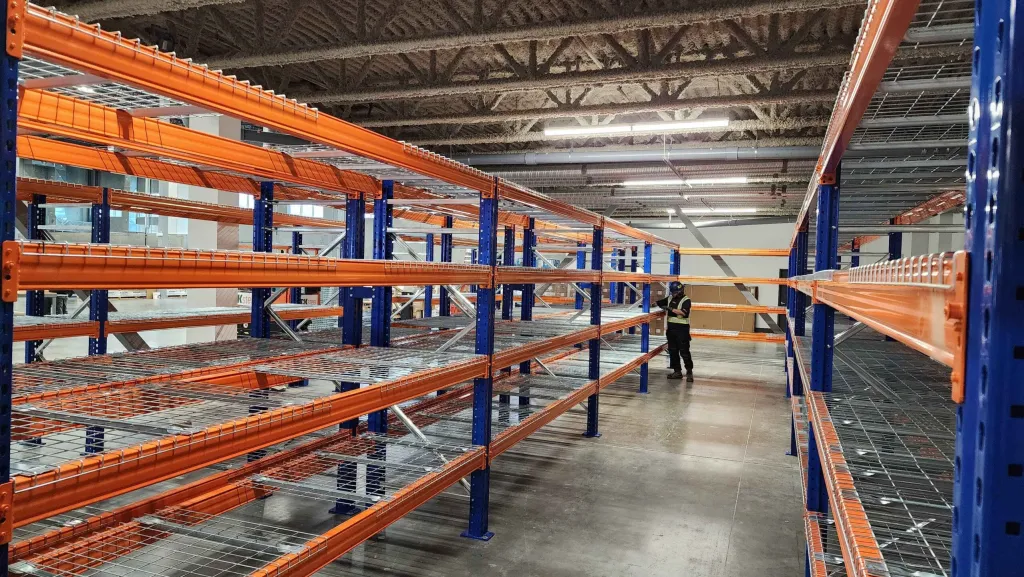
Designing an optimal warehouse layout requires a strategic approach to ensure efficient space utilization and workflow. One effective strategy is to use pallet racking systems, which can dramatically increase storage density and accessibility. For example, a recent project by RackSteel involved designing a customized pallet racking solution in Calgary for Bothwell Accurate Company, which enhanced their storage efficiency significantly.
When designing your layout, start by considering the type of inventory you store and how frequently items are accessed. High-turnover products should be placed in easily accessible locations, while less frequently used items can be stored further away. Incorporating flexible racking systems, such as selective pallet racking, allows for easy reconfiguration as storage needs evolve. Additionally, implementing clear pathways and designated areas for receiving, storage, and shipping will streamline operations and reduce handling time. By aligning the layout with operational needs and utilizing space efficiently, you can significantly boost productivity and reduce operational costs.
Zoning for Efficiency
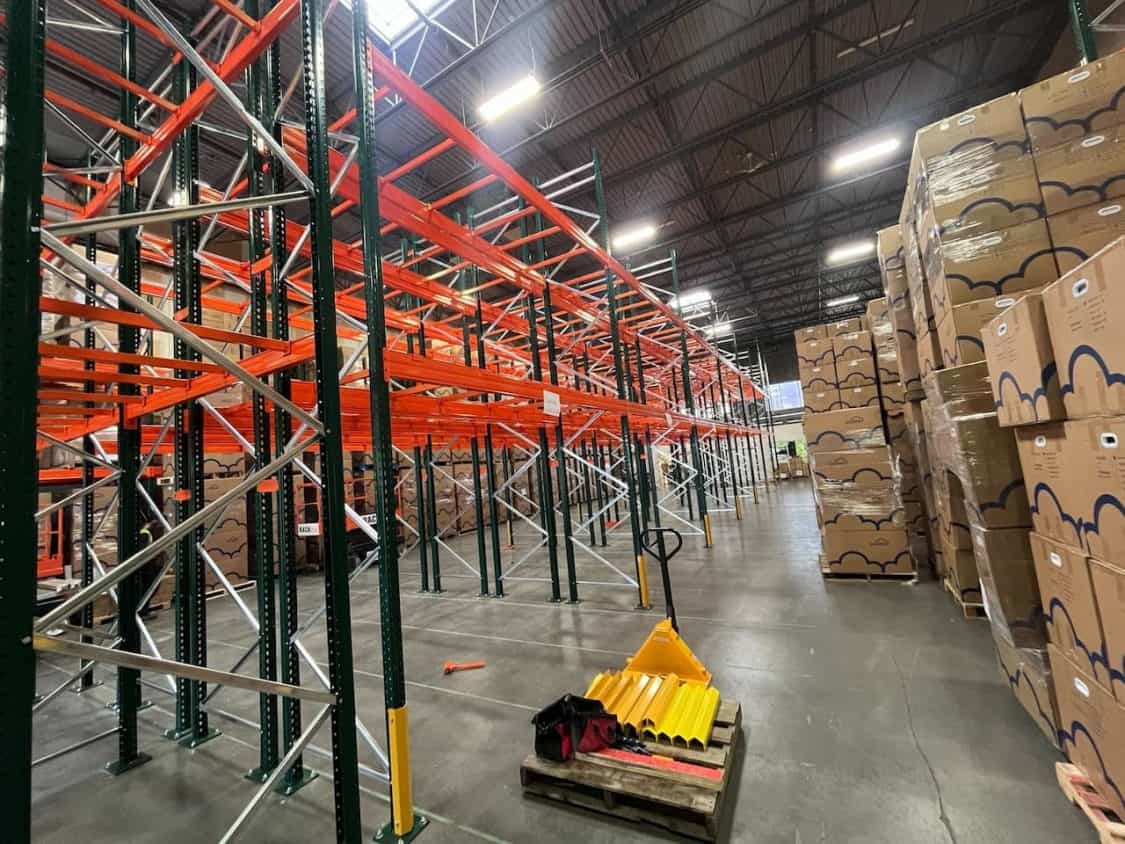
Effective zoning is crucial for optimizing warehouse efficiency, and it involves organizing space according to specific functions and product types. For example, a recent project by RackSteel for Cozey Canada demonstrates how strategic zoning can enhance operational flow. In the Cozey Canada project, zoning was used to create distinct areas for high-turnover items, bulk storage, and order fulfillment. This approach not only improved access to frequently picked items but also reduced the time spent navigating through the warehouse. High-demand products were placed near shipping areas, while seasonal or less critical inventory was positioned further away, reducing congestion in key operational zones.
Effective zoning also includes creating dedicated areas for receiving and staging, which helps in managing inventory more efficiently and ensuring smooth workflow transitions. By clearly defining zones for different activities and product categories, warehouses can minimize bottlenecks, reduce travel time, and improve overall productivity. Implementing a well-thought-out zoning strategy can lead to significant improvements in operational efficiency and space utilization.
Flow Optimization
Optimizing flow within a warehouse is essential for boosting productivity and minimizing delays. Efficient flow ensures that products move smoothly through the various stages of handling, from receipt to shipping. Here are key strategies for optimizing flow in a warehouse:
- Map the Workflow: Create a detailed map of the warehouse layout, highlighting key areas such as receiving, storage, picking, packing, and shipping. This helps identify potential bottlenecks and areas for improvement.
- Implement Lean Principles: Adopt lean warehouse management practices to reduce waste and streamline processes. This includes minimizing excess movement, reducing wait times, and optimizing resource use.
- Use Technology: Leverage warehouse management systems (WMS) and automation tools to enhance efficiency. Technology can provide real-time data, streamline order processing, and improve inventory management.
- Optimize Picking Routes: Design picking routes to minimize travel time. Use strategies like zone picking, batch picking, or wave picking depending on the volume and nature of orders.
- Regularly Review and Adjust: Continuously monitor warehouse operations and make adjustments based on performance data and feedback. Regular reviews help address issues promptly and keep the workflow efficient.
Space Utilization Techniques
Effective space utilization is crucial for maximizing warehouse efficiency and reducing operational costs. By strategically organizing and managing space, warehouses can accommodate more inventory and streamline operations. One key technique is implementing vertical storage solutions. Utilizing the full height of the warehouse by installing tall pallet racking systems allows for more efficient use of floor space, while maintaining easy access to stored items. This approach not only increases storage capacity but also enhances overall organization.
Another important aspect is optimizing shelving and racking configurations. Adjustable shelving units and racking systems enable warehouses to adapt to changing inventory sizes and types, ensuring that space is used effectively as needs evolve. For instance, using adjustable racking systems allows for flexibility in storing various types of goods, from bulky items to smaller components.
In addition, integrating multi-tier storage solutions can further enhance space utilization. Multi-tier shelving or racking systems enable the stacking of goods in multiple layers, which maximizes vertical space and reduces the need for additional floor space. By implementing these techniques, warehouses can significantly improve their storage efficiency and overall operational effectiveness.
Technology Integration
Integrating advanced technology into warehouse operations can significantly boost efficiency and productivity. Automated systems, such as robotic picking and sorting, streamline workflows by reducing manual handling and speeding up order fulfillment. For instance, robotic systems can quickly and accurately pick items from shelves, reducing human error and increasing throughput.
Warehouse Management Systems (WMS) play a crucial role in technology integration by providing real-time tracking of inventory and streamlining operations. WMS software helps manage stock levels, monitor order progress, and optimize picking routes, leading to better decision-making and enhanced operational efficiency.
Furthermore, incorporating technologies like RFID and barcode scanning improves accuracy in inventory management and tracking. These technologies provide instant data on the location and status of goods, facilitating quicker and more accurate inventory checks. By embracing these technological advancements, warehouses can enhance their overall efficiency and adapt to the evolving demands of the supply chain.
Continuous Improvement
Warehouse optimization is an ongoing process that benefits from continuous improvement practices. Regularly reviewing and analyzing warehouse operations allows businesses to identify inefficiencies and areas for enhancement. Implementing a continuous feedback loop, where employees can contribute insights on operational challenges, can lead to valuable improvements. This proactive approach involves setting performance metrics, regularly assessing warehouse functions, and adopting new technologies and methods as they become available.
Emphasizing continuous improvement ensures that the warehouse remains agile, adapting to changing demands and maintaining high productivity levels. It also helps in staying competitive by integrating best practices and innovations into daily operations.
Conclusion
Optimizing warehouse layout and design is crucial for maximizing productivity and efficiency. By assessing the current layout, designing with strategic zoning, and employing space utilization techniques, businesses can enhance their warehouse operations. Integrating advanced technologies and embracing a culture of continuous improvement further boosts performance. Adopting these strategies ensures that warehouse operations are streamlined, adaptive, and capable of meeting evolving demands efficiently.